Writing
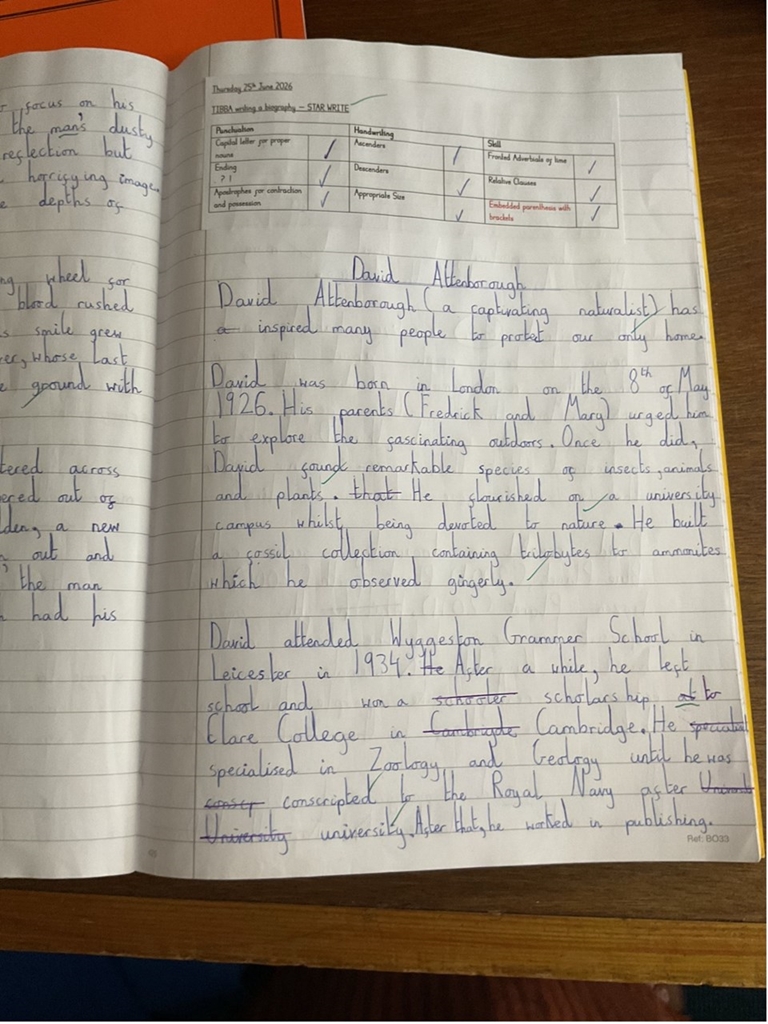
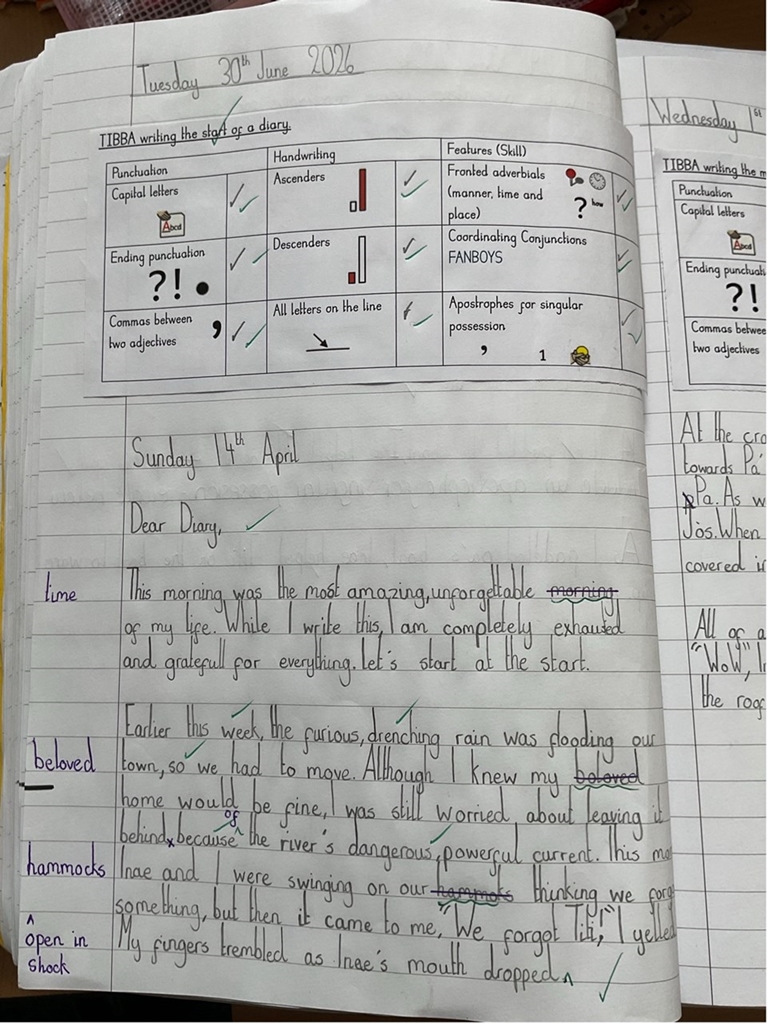
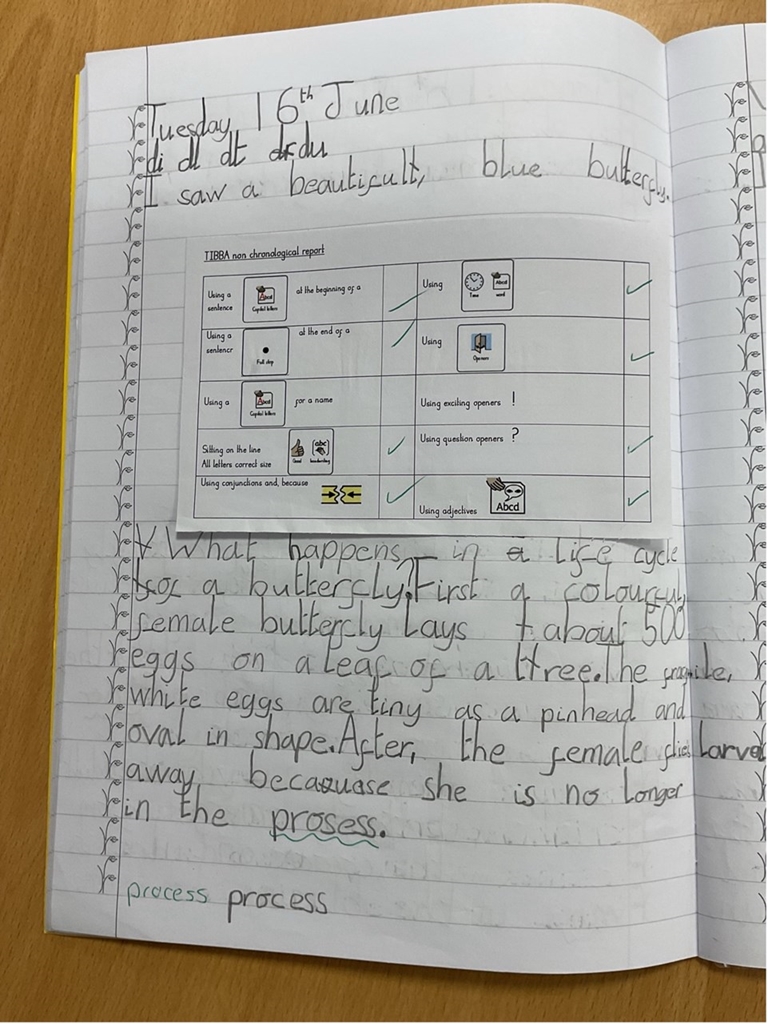
At St Margaret’s at Hasbury, our aim is simple: for every child to become a confident, independent writer who can write grammatically accurate sentences for a wide range of purposes and audiences. We believe that every child can become a clever writer.
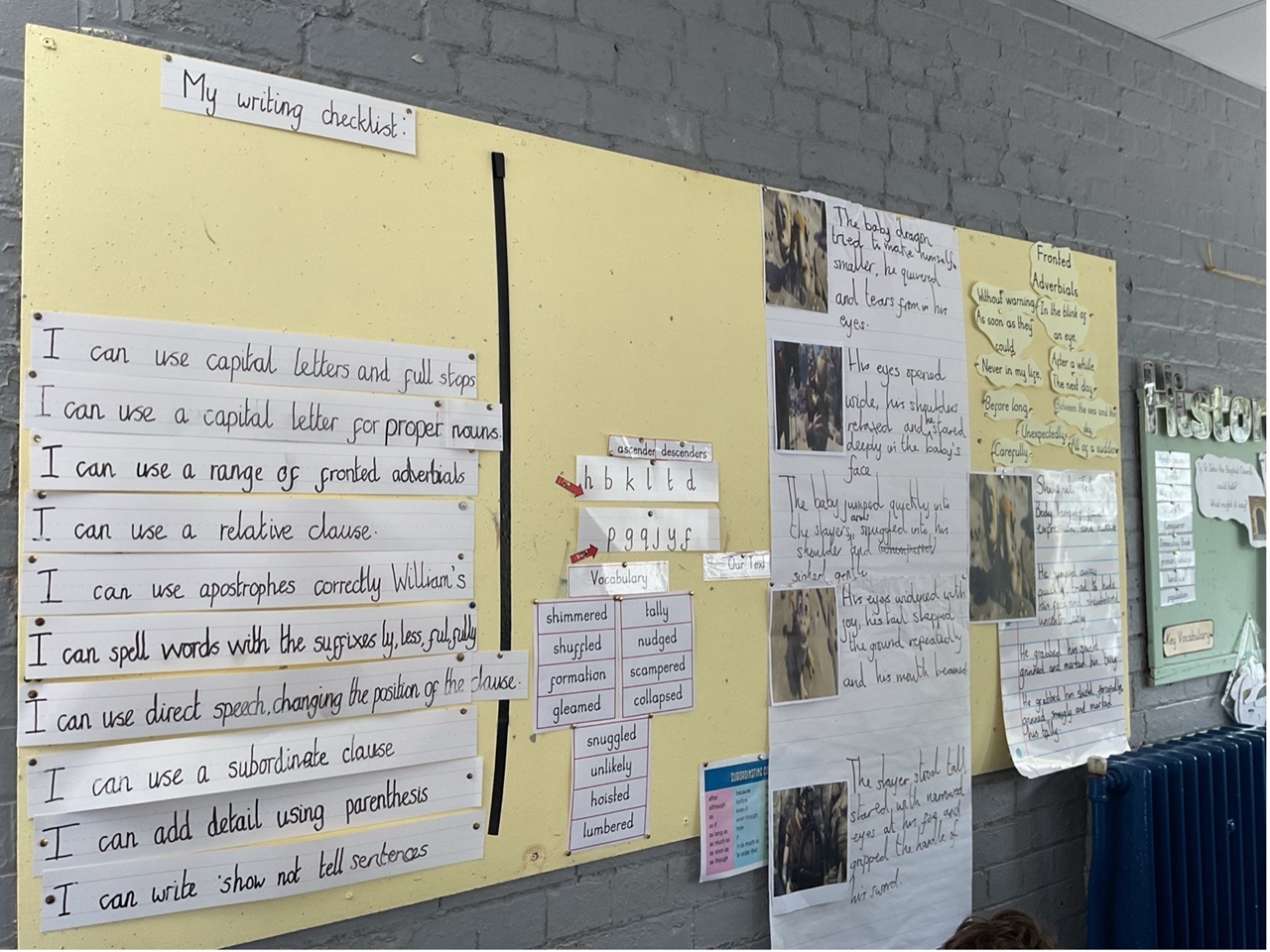
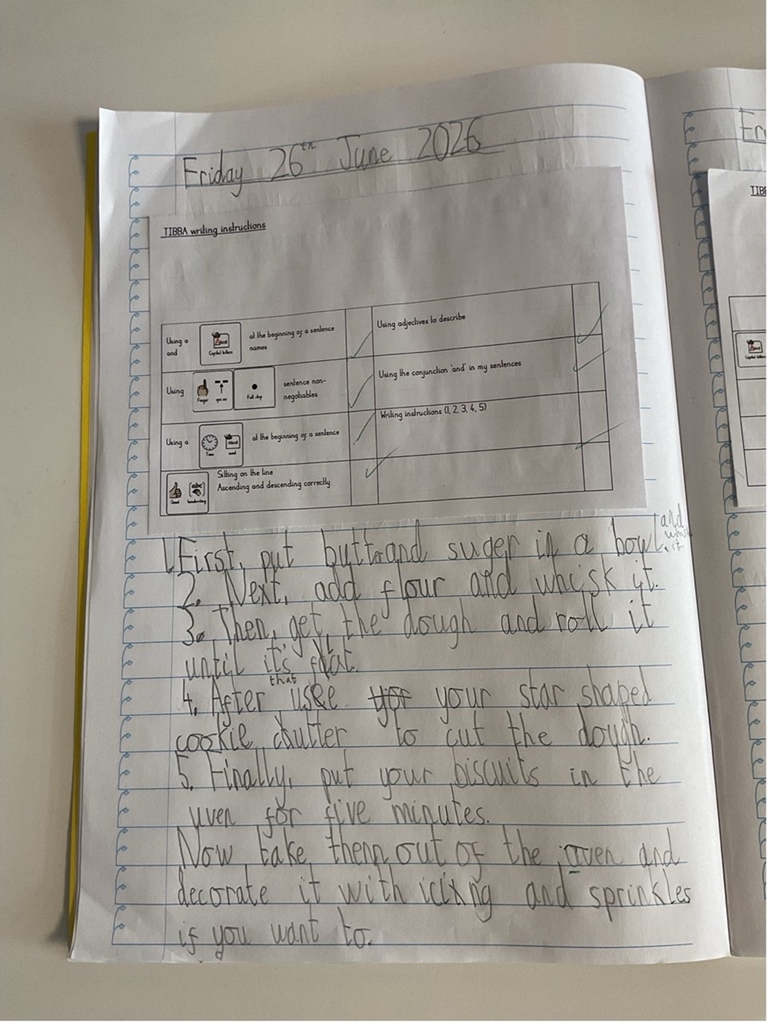
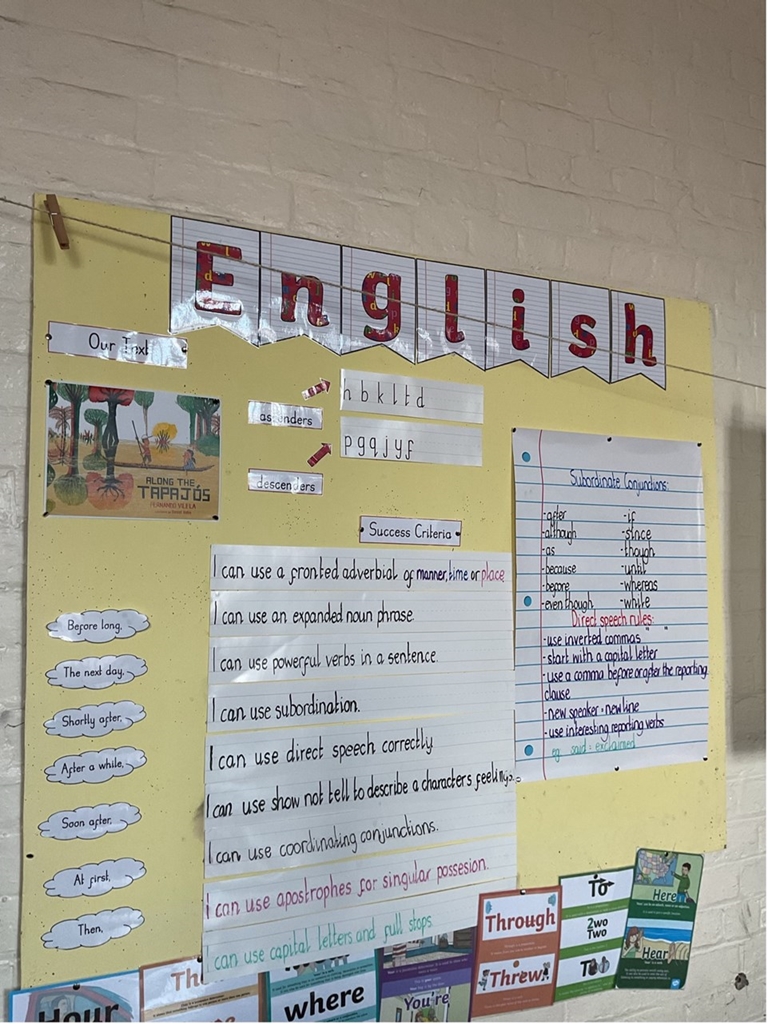
Our approach places a strong emphasis on securing the foundational skills of writing: handwriting, spelling, punctuation, grammar and sentence construction. We recognise that these essential building blocks must be explicitly taught, practised and embedded so that children develop automaticity and fluency. By reducing the cognitive demands associated with transcription and sentence construction, children are increasingly able to focus their attention on the higher-order skills of composition, including organising, developing and refining their ideas.
Writing is taught through small, carefully sequenced steps that enable children to secure and embed key knowledge and skills before applying them independently. From Reception to Year 6, learning builds progressively on what children already know, ensuring that essential foundations are secure before new and increasingly complex learning is introduced. Foundational skills are revisited, reinforced and developed throughout the primary years, recognising that gaps in these areas can prevent children from becoming fluent and successful writers.
We recognise that successful writing begins long before children compose extended pieces. In the Early Years, careful attention is given to the development of fine motor skills, pencil grip, letter formation and appropriate pressure and control. Transcription skills are developed alongside the systematic teaching of phonics, providing strong foundations for spelling and writing. As children progress through school, continued emphasis is placed on developing fluent, legible handwriting, accurate spelling and secure sentence construction.
Through explicit instruction, teacher modelling, guided practice and purposeful repetition, children develop the knowledge and confidence to construct grammatically accurate sentences before progressing to increasingly complex writing. Our approach follows the principles of I do, we do, you do, ensuring that children receive appropriate scaffolding before moving towards independent application. This enables pupils to develop fluency, reduce cognitive overload and become increasingly confident and sophisticated writers.
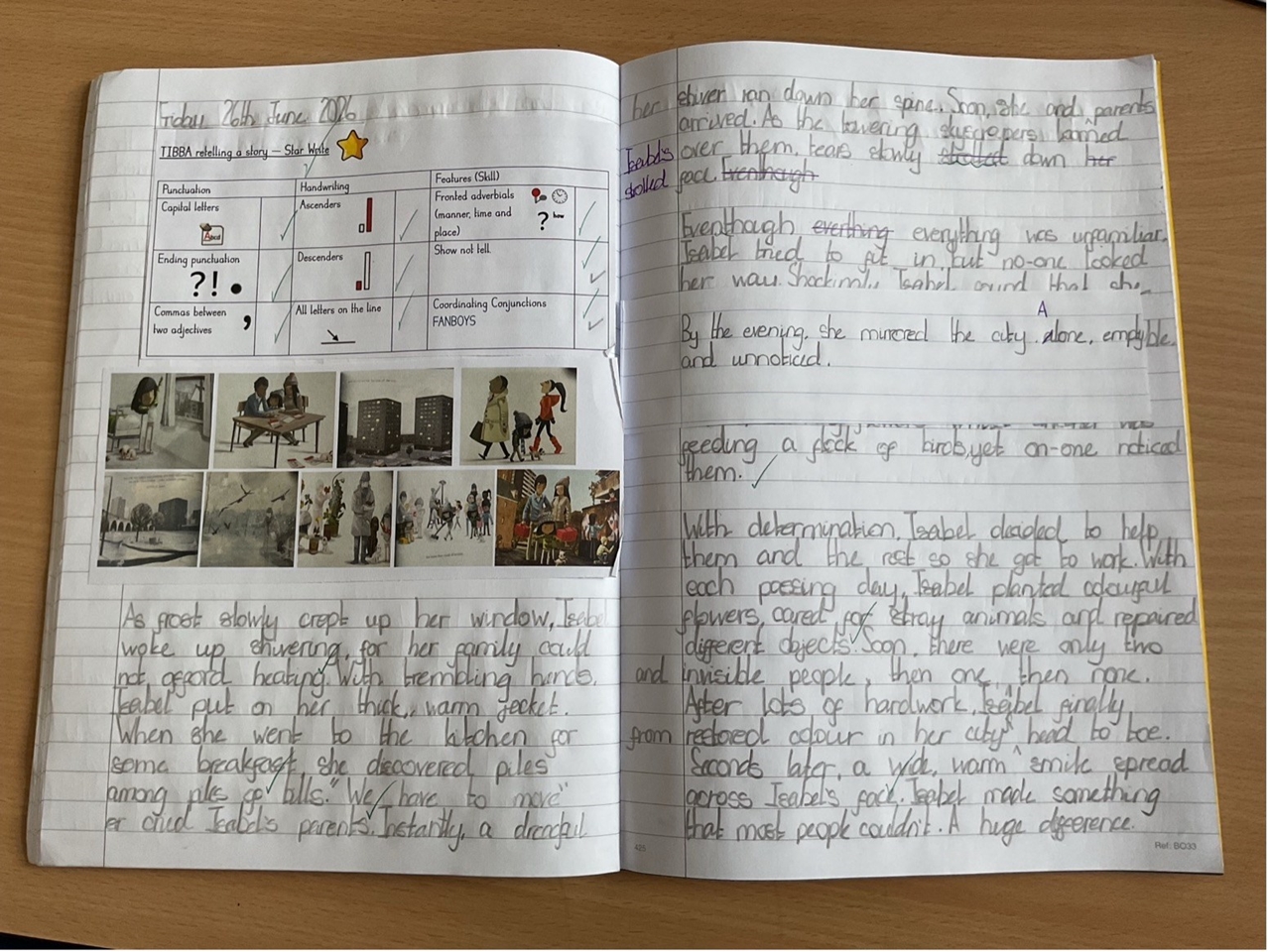
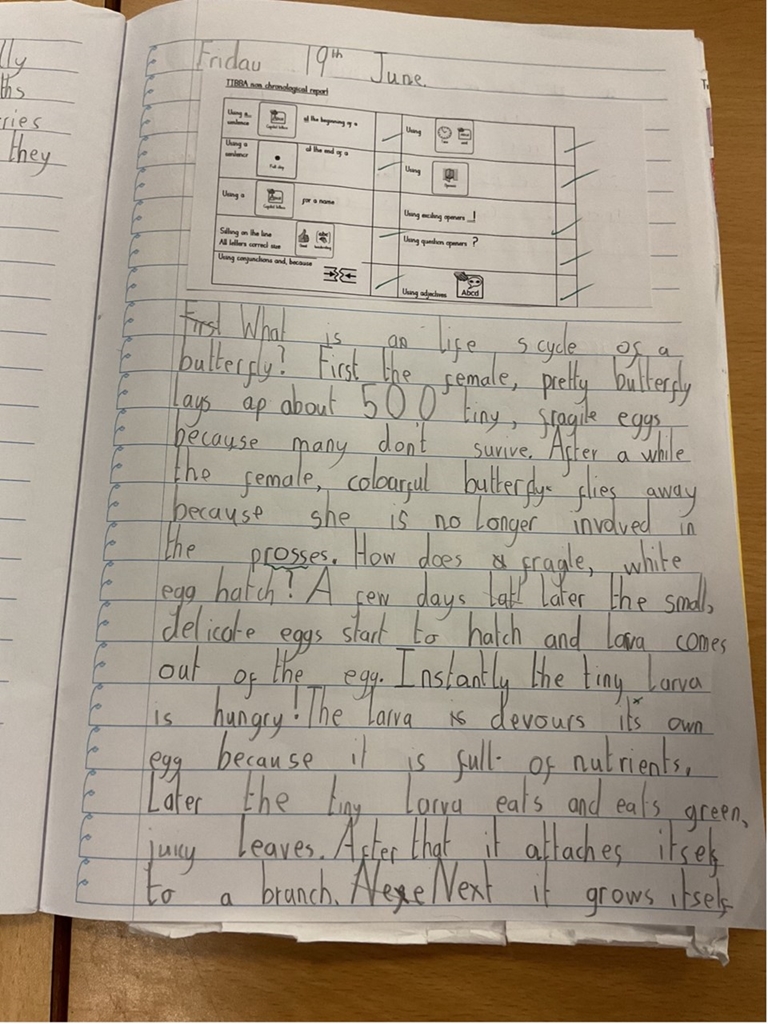
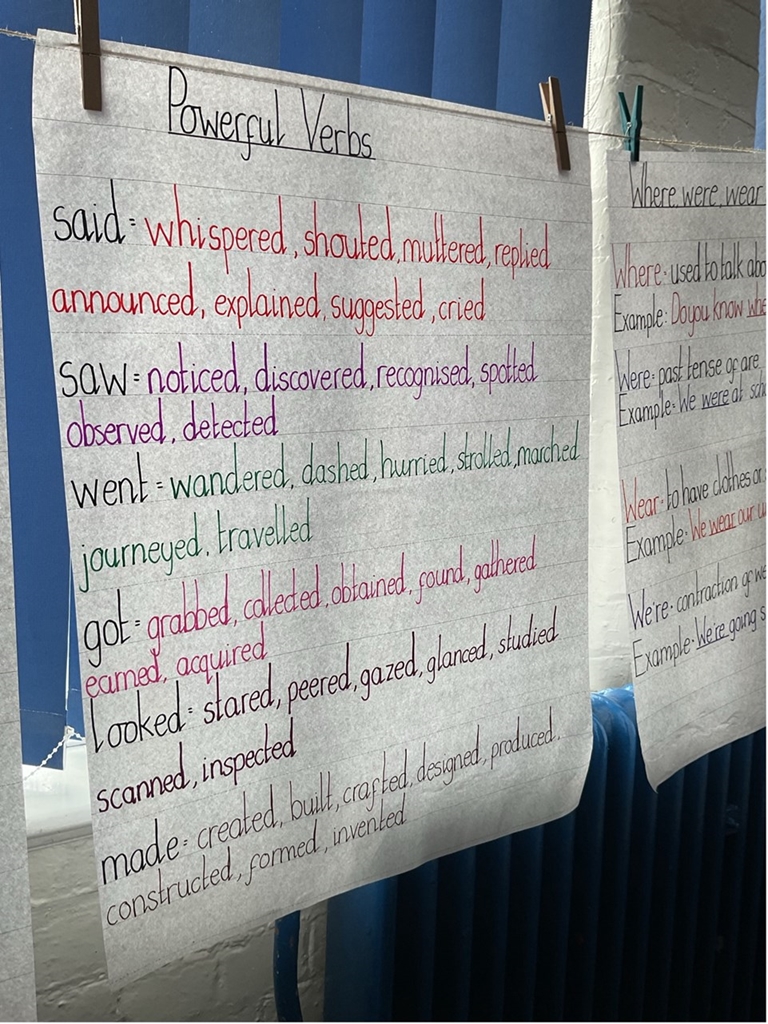
High-quality texts, purposeful discussion and rich experiences provide meaningful contexts for writing. Children encounter a wide range of fiction, non-fiction and poetry and are given regular opportunities to write for different purposes and audiences. Vocabulary development and oral rehearsal are integral to our approach, supporting children in articulating their ideas before committing them to writing. Where appropriate, writing is meaningfully connected to wider curriculum learning, enabling children to deepen their knowledge while developing their ability to communicate ideas clearly and effectively.
Assessment for learning is central to our approach. Teachers continually assess pupils’ writing to identify strengths, address misconceptions and determine precise next steps. Particular attention is given to identifying and addressing gaps in foundational knowledge and skills, ensuring that pupils do not progress to more complex writing tasks without the necessary understanding and fluency. Teaching is responsive, ensuring that all pupils, including those with SEND and those requiring additional support, receive the explicit, targeted teaching and opportunities for practice they need to succeed.
Our writing curriculum is carefully planned to ensure clear progression in both knowledge and skills. Through high expectations, secure foundations, purposeful practice and increasing independence, we aim to develop confident, capable and independent writers who can communicate effectively and make deliberate choices to achieve their intended purpose and effect.
Why this strengthens your curriculum intent
The revised statement makes your commitment to foundational skills much more explicit and reflects the principles underpinning I Am a Clever Writer.
It also demonstrates a clear understanding of the relationship between cognitive load, automaticity and successful composition.
Importantly, it communicates that foundational skills are not simply an Early Years or Key Stage 1 priority. They remain essential throughout Key Stage 2, particularly for pupils whose gaps in transcription, spelling or sentence construction prevent them from achieving their potential.
This provides a strong rationale for your approach to improving writing outcomes and aligns with Ofsted's focus on a carefully sequenced curriculum, secure foundational knowledge, responsive teaching and pupils being prepared for increasingly demanding learning.